 ClimaClue
Lhasa weather in July
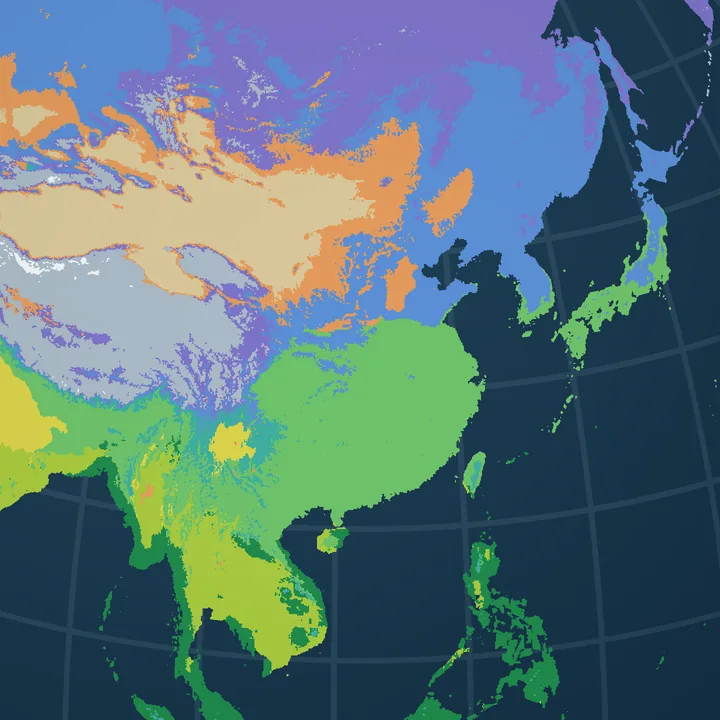
July · Tibet · China
Average July weather in Lhasa: modelled 1981–2010 averages for the city itself (about 3 × 3 km around its centre) (climate normals, not a forecast).
Continental, warm summer, dry winter · DwbOpen Lhasa on the globe ›In July, Lhasa averages 22.5 °C (73 °F) days and 10.7 °C (51 °F) nights, with 141 mm (5.5 in) of rain over the month and about 201 hours of sunshine.
- Day to day
- ±1.5 °Chow far a typical July day strays from that average; about one day in twenty is twice as far
- Year to year
- ±0.9 °Cin two years out of three, July averages between 15.7 °C and 17.5 °C
- Good time to visit?
- Less somild months: Jun
Plan by month: where else is warm in July · warmest cities in the world in July · sunniest in July
- Day high22.5 °C73 °F
- Night low10.7 °C51 °F
- Average16.6 °C62 °F
- Precipitation141 mm5.5 in
- Sunshine201 habout 1961–1990
- Humidity47%relative
- Dew point4.2 °C40 °F
Station check: before adjustment, the modelled temperatures differed from a NOAA weather station 4 km from Lhasa by up to 5.1 °C (9.2 °F) in one month. Temperatures on this page are then adjusted toward nearby NOAA stations, so they follow the measurements more closely.
How July compares in Lhasa
Charts: ClimaClue area averages, CHELSA V2.1, 1981–2010. Hover or tap a point or bar for its value; every number is in the table below.
July is the warmest month, the 2nd wettest of the 12 and the least sunny month in Lhasa. Compared with June: 0.1 °C warmer, 58 mm more precipitation and 31 hours less sunshine. August is 0.9 °C cooler than July on average.
Lhasa among towns in China in July
Of the 2105 towns ClimaClue covers in China, Lhasa ranks 2061st warmest (average temperature), 1300th sunniest and 1626th wettest in July.
Warmest: Turpan (32.6 °C) · coolest: Nagqu (9.9 °C) · sunniest: Tacheng (330 h) · wettest: Dongxing (737 mm) · driest: Ying’awati (6 mm).
What to pack for Lhasa in July
Going by the averages: light layers, an extra layer for cooler evenings and a rain jacket or umbrella.
Rules used: day high under 10 °C (50 °F) → warm coat; 10–18 °C → jacket or sweater; 18–25 °C → light layers; 25 °C (77 °F) or more → light, breathable clothes; night low under 0 °C → hat and gloves; night low 10 °C or more below the day high → an extra layer for evenings; 100 mm or more of precipitation → rain jacket or umbrella; 50–100 mm → compact umbrella; 5 cm or more of fresh snow, or snow on the ground → waterproof boots; dew point 16 °C (61 °F) or more → breathable fabrics for humid air; 250 hours of sunshine or more → sunglasses. Averages only: check a forecast before you travel.
July in other big cities
| City | Day high | Night low | Precipitation | Sunshine |
|---|---|---|---|---|
| GuwahatiIndia · 391 km away | 31.689 °F | 25.277 °F | 358 | 122 |
| SiliguriIndia · 419 km away | 30.887 °F | 24.276 °F | 872 | 118 |
| RangpurBangladesh · 471 km away | 31.489 °F | 25.578 °F | 500 | 105 |
| WrocławPoland · climate twin | 25.077 °F | 13.656 °F | 90 | 204 |
| PragueCzechia · climate twin | 25.378 °F | 15.360 °F | 82 | 224 |
| BerlinGermany · climate twin | 24.576 °F | 14.258 °F | 60 | 220 |
Lhasa in July: questions and answers
- What is the weather like in Lhasa in July?
- In July, Lhasa averages a day high of 22.5 °C (73 °F) and a night low of 10.7 °C (51 °F), with 141 mm (5.5 in) of precipitation and about 201 hours of sunshine. These are 1981–2010 averages for the ~10 km area, not a forecast.
- Is July a good time to visit Lhasa?
- July is not one of Lhasa’s mild months; those are June, counting a month as mild with an average temperature 15–25 °C / 59–77 °F and under 100 mm / 3.9 in of precipitation. Climate only: crowds and prices are not considered.
- How much does it rain in Lhasa in July?
- 141 mm (5.5 in) of precipitation (rain and snow as water) on average, making July the 2nd wettest of the 12. The wettest month is August (143 mm), the driest January (2 mm).
- Does it snow in Lhasa in July?
- Little or none on average: ERA5-Land gives under 0.5 cm of fresh snow for July in this area (1981–2010).
- How many hours of sunshine does Lhasa get in July?
- About 201 hours of bright sunshine, the least sunny month of the year (estimate for about 1961–1990).
- What should I pack for Lhasa in July?
- Going by the averages: light layers, an extra layer for cooler evenings and a rain jacket or umbrella. Check a forecast before you travel; these are long-term averages.
Jan Feb Mar Apr May Jun Jul Aug Sep Oct Nov Dec
Day high and night low are the month’s average daily maximum and minimum, not extremes. Sources: CHELSA V2.1, 1981–2010 (temperature, precipitation); ERA5-Land, 1981–2010 (dew point and snow; snowfall matched to the area’s CHELSA climate; contains modified Copernicus Climate Change Service information); humidity calculated from the dew point and temperature; CRU CL 2.0, about 1961–1990 (sunshine and the day–night range). More on the Lhasa climate page, China and how the data is made.